
Medium Density Fiberboard (MDF) – Key Features and Applications
By:Admin
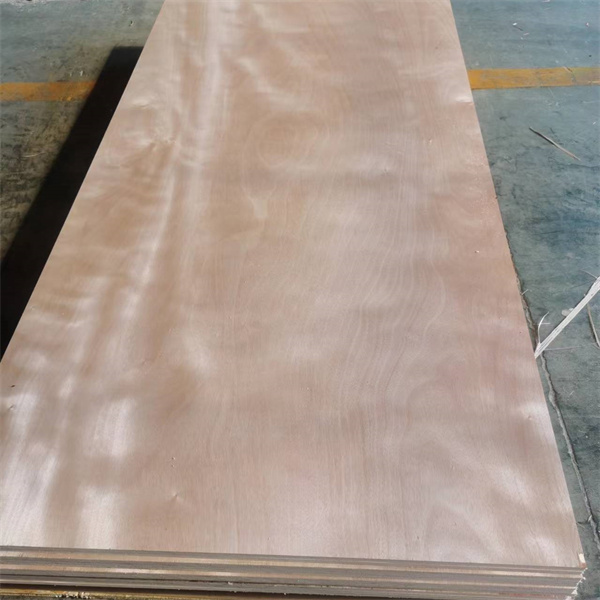
Medium Density Fiberboard (MDF) has become an essential material in the construction, furniture, and interior design industries, thanks to its versatility, durability, and cost-effectiveness. As demand for sustainable and high-quality building materials grows, MDF continues to evolve, incorporating innovations that enhance its performance while addressing environmental concerns.
### What is Medium Density Fiberboard?
MDF is an engineered wood product made by breaking down hardwood or softwood residuals into wood fibers, combining them with wax and resin binders, and forming panels by applying high temperature and pressure. This manufacturing process results in a dense, flat, and smooth board that serves as an excellent substrate for veneers, laminates, and paint finishes.
Unlike natural wood, MDF has no knots or grain patterns, granting it uniformity and superior machinability. These characteristics enable craftsmen and manufacturers to cut, shape, and size MDF with precision, reducing waste and allowing creative freedom in product design.
### Applications of MDF in Today’s Market
The versatility of MDF makes it suitable for a wide array of applications. In residential and commercial construction, MDF is widely used for cabinetry, shelving, furniture, door panels, wall paneling, and molding. Its smooth surface is ideal for painting and laminating, contributing to aesthetic flexibility.
Furthermore, MDF is favored in the manufacturing of decorative elements such as intricate moldings, trims, and custom carpentry work, as the material holds fine details exceptionally well. In office furniture and retail displays, MDF’s combination of strength and finish quality supports both functional and decorative objectives.
### Innovations and Environmental Considerations
Modern MDF manufacturers are addressing environmental concerns by increasing the use of recycled wood fibers and developing low-emission binders to reduce formaldehyde content. This move not only minimizes the ecological footprint but also ensures compliance with increasingly strict regulations and certification standards globally.
Advancements in moisture-resistant and fire-retardant MDF variants have extended its usability into areas prone to humidity and fire risk, such as kitchens, bathrooms, and commercial spaces. These specialized MDF products provide enhanced durability and safety while preserving the material’s workability and finish quality.
### Company Profile: Commitment to Quality and Sustainability
Founded with a vision to revolutionize building materials, [Company Name] has established itself as a leader in the MDF industry by consistently delivering high-quality, sustainable, and innovative fiberboard solutions. With state-of-the-art manufacturing facilities and adherence to rigorous quality control protocols, the company ensures that every MDF panel meets international standards.
[Company Name] emphasizes research and development, focusing on creating eco-friendly MDF variants that do not compromise on strength or aesthetics. Partnering with forestry and waste management entities, the company sources raw materials responsibly and incorporates recycling practices within its operations, contributing to a circular economy.
The company’s customer-centric approach involves collaborating closely with architects, designers, and contractors to tailor MDF solutions that suit specific project requirements. This partnership-driven model enhances product applicability and customer satisfaction.
### Industry Outlook and Market Trends
The MDF market is experiencing steady growth, propelled by increasing urbanization, rising consumer preference for laminated and painted wood products, and the expansion of the furniture and home improvement sectors. Additionally, the growing emphasis on sustainable construction and green building certifications is pushing manufacturers to innovate towards environmentally responsible MDF products.
With the integration of digital technologies, production processes are becoming more efficient and customizable, enabling shorter lead times and greater design flexibility. These trends position MDF as a material that aligns well with the future demands of construction and design industries.
### Conclusion
Medium Density Fiberboard continues to affirm its role as a cornerstone material for modern construction and interior design. Thanks to ongoing innovation and a commitment to sustainability, MDF provides a reliable, adaptable, and environmentally conscious solution that meets the evolving needs of consumers and professionals alike.
As companies like [Company Name] drive advancements in production and product development, the future of MDF looks promising—offering both improved performance and responsible stewardship of natural resources. For builders, designers, and homeowners seeking quality and versatility, MDF remains a preferred choice that balances function, creativity, and sustainability.